Maintaining the Talent Pool
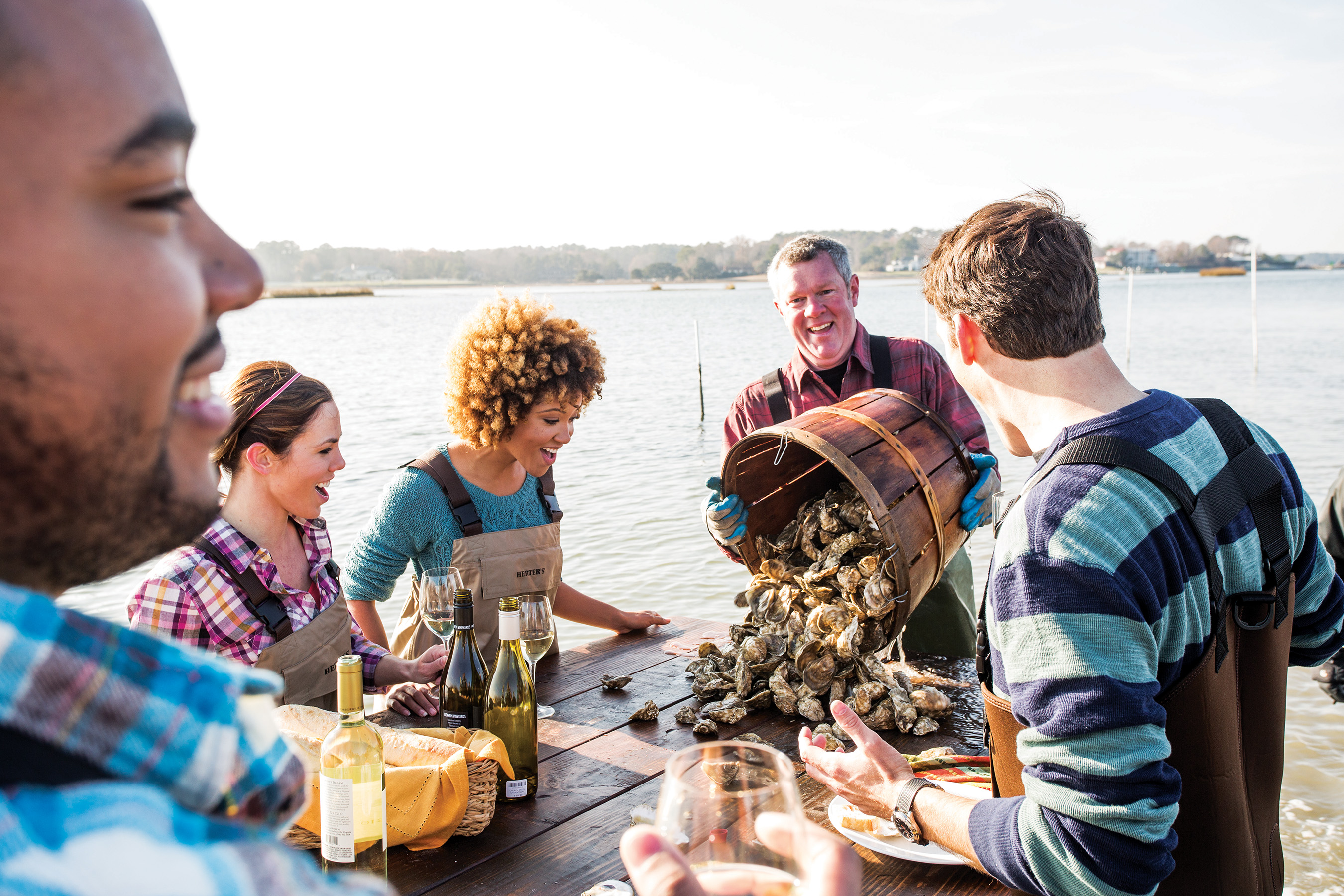
A large part of the Hampton Roads region’s talent marketing is based on unique elements of the area’s geography, including ultra-fresh seafood at restaurants like Pleasure House Oysters on the Lynnhaven River in Virginia Beach.
When Julia Boas and her husband, Patrick, have an errand to run or a friend to visit in their hometown of Roanoke, they rarely go by car. Instead, they hop on their e-bikes.
They live with their two sons on the Roanoke River Greenway, a network of natural and paved trails that connects Roanoke Valley neighborhoods for miles. Patrick, like many Roanokers, regularly rides his e-bike to work.
Their lives embody the livability factor that every locality, in Virginia and elsewhere, is striving to achieve and market.
“We’ve got this brand that people know as an outdoor destination,” said Boas, director of business development for the Roanoke Regional Partnership. “When they come here, they also need to know we have good jobs and places for them to live so they can get ingrained in the community quickly. Now we focus a lot of our specific talent attraction marketing efforts around removing barriers to those things, creating user-friendly resources for people, and then driving traffic to those resources so that people can see themselves here.”
We’ve got this brand that people know as an outdoor destination. When they come here, they also need to know we have good jobs and places for them to live so they can get ingrained in the community quickly.
Julia Boas, Director of Business Development, Roanoke Regional Partnership
With the share of the U.S. population over the age of 65 projected to nearly double from its 2007 numbers by 2035, states, localities, and companies are competing for slices of a shrinking pie. Efforts to attract and retain talent are becoming increasingly important, and livability is becoming paramount.
“We’re seeing, post-2020, a really remarkable shift in the younger half of the workforce going to places that are attractive,” said Hamilton Lombard, estimates program manager in the Demographics Research Group at the University of Virginia’s Weldon Cooper Center for Public Service. “Just having the job doesn’t seem to be enough anymore. You can offer a great job in the area, but for a lot of people, that’s not enough to keep younger workers.”
Livability grew in importance during the COVID-19 pandemic, which sent workers across the country to their home offices. Roanoke and other outdoor recreation destinations benefited from both the increase in remote work and the importance of open-air recreation opportunities.
A Great Place to Live
Livability can’t be manufactured, but it can be marketed. Growth-oriented regions like mountainous Roanoke and coastal Hampton Roads have fully embraced livability as their marketing mantra for attracting and retaining talent.
However you define livability, Virginia is blessed to have it, said Jeff Strohl, research professor and director of the Georgetown University Center on Education and the Workforce.
“It’s all about quality of life,” he said, “from the Shenandoah Valley to Skyline Drive to the pastoral lifestyle. That’s a huge attractor.” Shawn Avery, president and CEO of the Hampton Roads Workforce Council (HRWC), said his region is attractive to young people who want to enjoy natural beauty, nightlife, and cultural offerings alike.
“There are not many other regions where you can be at the beach, and 30 minutes later, you’re in a historic time capsule like Jamestown or Williamsburg,” Avery said.
Talent attraction and retention efforts are generally region-specific. What works for the mountains of Roanoke won’t be as effective in flatter, more water-centric Hampton Roads, although both regions push outdoor recreation in their marketing. Demographics also play a key role — the HRWC’s efforts are driven in part by the large military community in the region. Last year, it connected 2,000 military members with employers in the area’s thriving maritime industry.
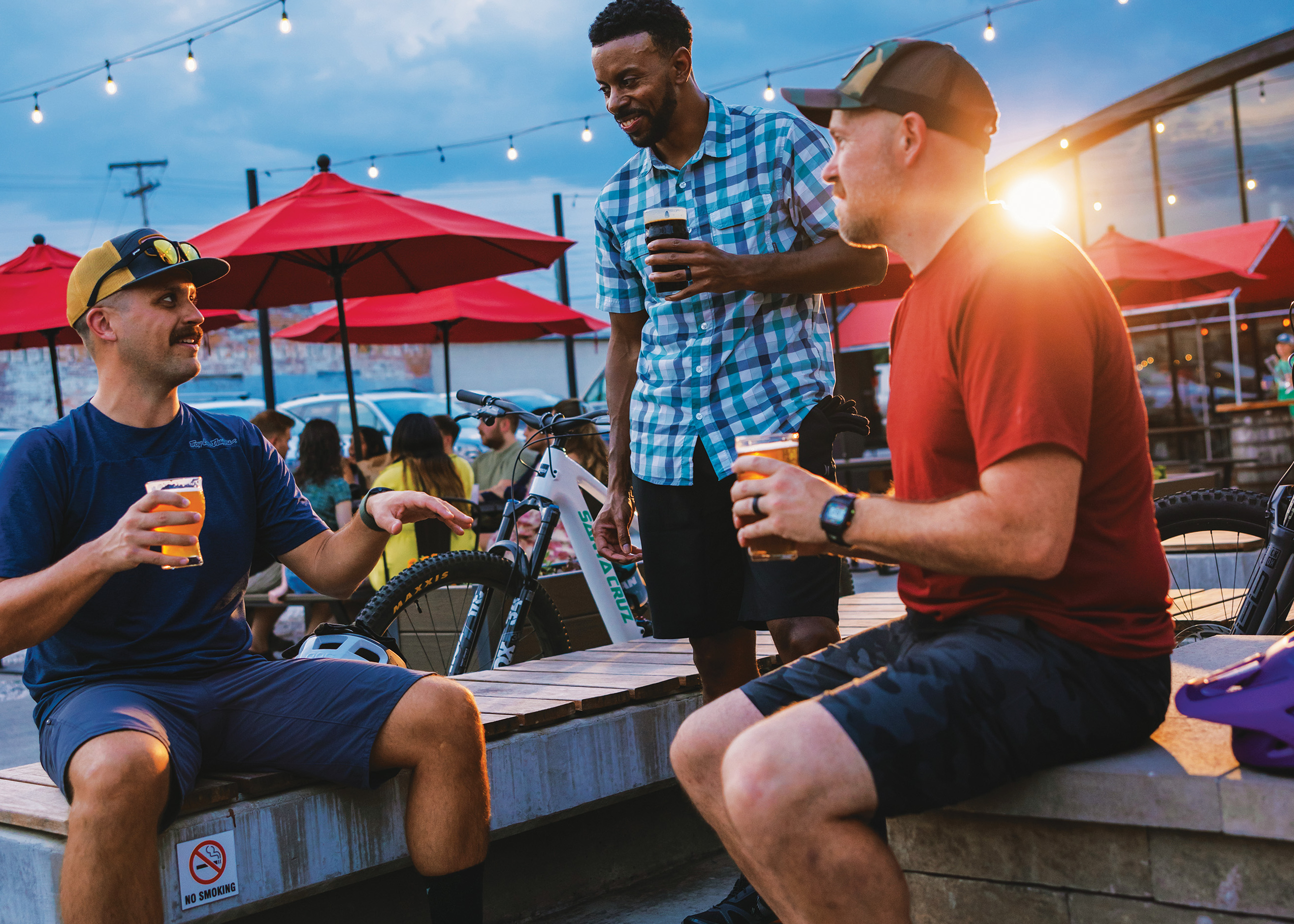
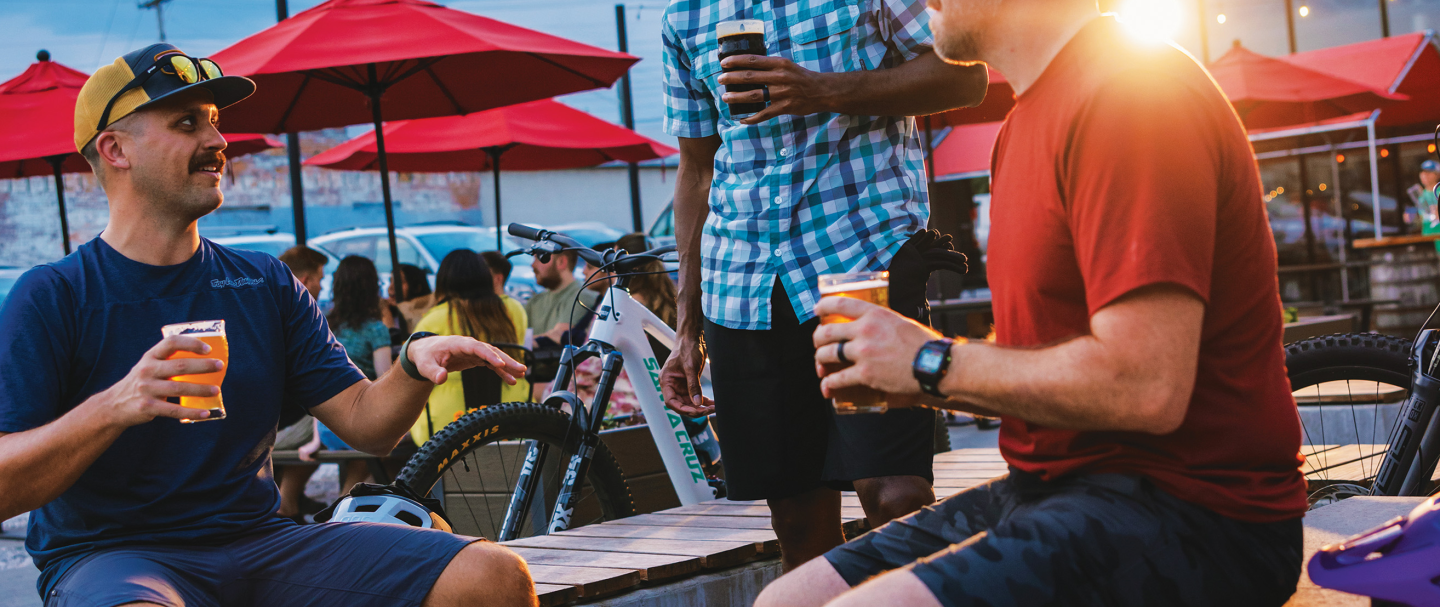
Big Lick Brewery in downtown Roanoke is part of a food and beverage scene that complements the region’s abundant outdoor recreation opportunities.
An Intentional Shift in Roanoke
Few regions are marketing their livability more effectively than Roanoke.
Roanoke first started establishing itself as a destination for outdoor enthusiasts about 20 years ago, Boas said. Until that shift began, “We didn’t necessarily have a bad reputation, we just had no reputation.”
It’s hard to attract talent, she said, “when people hear the name of your location and don’t know where it is.”
But now that the Roanoke Region puts a concerted effort into marketing itself as an outdoor destination, she said, “It’s changed people’s perceptions, and we’re now known nationally as both a tourism and talent destination.”
In 2015, with the help of eight local governments and 120 private business investors, Roanoke Outside was created. The organization promotes economic growth by leveraging the area’s natural assets to attract talent and investment. It created brand-building events such as the Blue Ridge Marathon, which now attracts up to 4,000 runners annually and is widely regarded as America’s toughest road race.
It also created the Roanoke GO Outside Festival, which attracts 40,000 visitors annually with three days of outdoor activities. One goal of the event is that attendees from outside the region will enjoy the area enough to consider moving there. And it’s working.
Now, Boas said, Roanoke consistently appears in national consumer surveys and publications including the region in lists such as “Top U.S. Cities for Biking,” “Top 24 Mountain Towns,” and “Top 20 Remote-Work Havens.” What’s more, the region’s in-migration has increased by 267% since the 2020 U.S. Census, according to Moody’s Analytics projections. The region’s natural population change (births vs. deaths) is negative, so all its growth is coming from new arrivals.
‘Aggressively Welcoming’
Livability includes many facets, so Roanoke tries to move the livability needle in as many categories as possible. It boasts about its 60 miles of paved bike trails, and it brags about being ranked higher in air quality compared to other cities of similar or slightly larger size.
Roanoke also provides potential future residents with information about employment opportunities through several unique programs, like their talent attraction brand Get2KnowNoke. Get2KnowNoke showcases the area’s amenities to new job seekers, potential residents, and area young professionals.
Their comprehensive website offers specific resources for newcomers on jobs, events, and housing. Get2KnowNoke also organizes initiatives like the Onboard|ROA summer program and their quarterly socials, which act as a welcome wagon. All of these work together to plug talent into the community and provide a sense of belonging.
“We joke with our ambassadors and stakeholders that we try to be ‘aggressively welcoming,’” Boas said.
Get2KnowNoke also manages a talent ambassador program that uses community members to share authentic experiences about living and working in the Roanoke Region. The ambassadors host pop-up events throughout the year, promote the Get2KnowNoke brand on their social channels, and are available to area employers to host recruits. They help tell the region’s story as a place to grow, thrive, and belong in a meaningful and earnest way.
Selling Beaches and Beers
On the other side of the Commonwealth, Avery makes it his business to put Hampton Roads front and center as a place to find great work and a great lifestyle. Much like the Roanoke Region, he said, Hampton Roads needs to boast about its livability to attract and retain talent — particularly Generation Z.
The HRWC has a $30 million budget to help link talent with employers in the region. His team does everything from arranging job fairs with employers like Newport News Shipbuilding and Virginia Natural Gas to connecting the military talent pool with key employers before they transfer out of the region.
It also helps to create and fund internship and mentorship programs for area high school students, connecting them with Hampton Roads employers. And it has a college program that works to keep local college students employed in the area. The HRWC even produces a weekly podcast that interviews a range of local employers seeking workers.
Like Boas, Avery isn’t just talking the talk. His family has fully embraced the livability of the Hampton Roads region. A Hampton native and Christopher Newport University graduate himself, his two daughters also attended local colleges.
“I’m a shining example of why people stay here,” he said.
Avery and his wife particularly enjoy the local brewery scene. “My wife and I do a lot of brewery hopping,” he said. They have yet to hit all 20-plus breweries in the Hampton Roads area — another compelling reason for them to stay.
He’ll happily toast to that, preferably with new talent ready to call Hampton Roads home.