
From Uniform to Opportunity
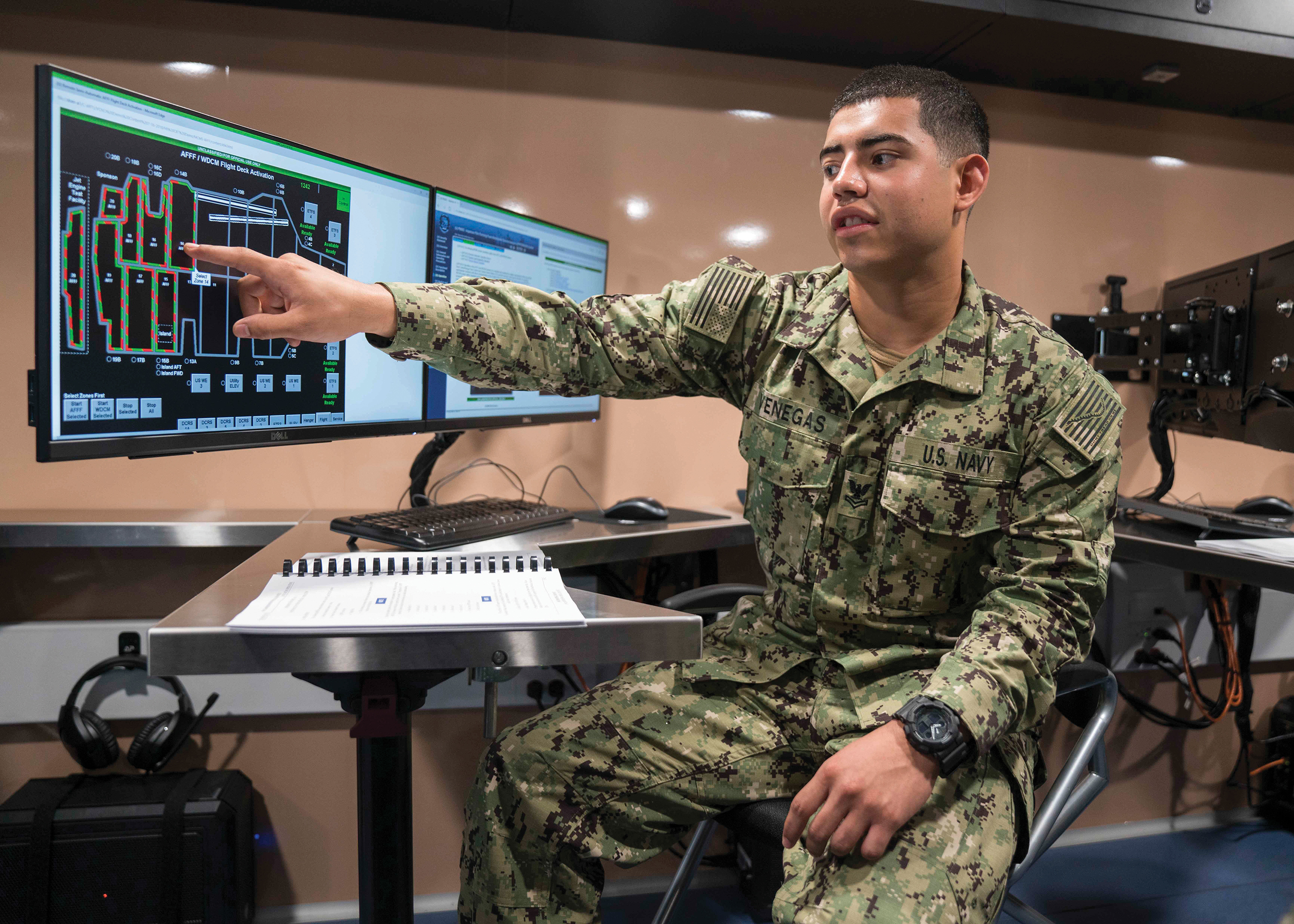
During their service, military veterans gain invaluable skills in leadership and integrity, and other skills gained from experience with cutting-edge technologies.
Home to one of the largest concentrations of active duty and veteran talent in the country, Virginia has engineered an ecosystem that helps those who served translate military experience into high-value private sector careers. With more than 20,000 service members transitioning each year in the Hampton Roads region alone, Virginia’s mix of mission-aligned industries, forward-leaning workforce policy, and best-in-class education pathways has become a national model for veteran employment and retention.
“Virginia creates a ready-made network for military veterans,” said retired Rear Adm. Charles “Chip” Rock, a regional economic leader, advocate, and U.S. Navy veteran. “It’s a natural connection, a place where defense-related jobs are all around us, and the transition from military service to civilian service makes sense.”
Business and economic development leaders increasingly view hiring veterans as more than a patriotic duty or geographic necessity — it’s a strategic advantage. Veterans bring the work ethic, safety mindset, and team discipline employers say they struggle to cultivate. As one higher education leader put it, if you select for veteran-caliber character, you won’t end up dismissing people for the “soft skill” problems that drive many separations. “You can count on veterans for soft skills…veterans bring with them that trustworthiness, the integrity, the showing up to the job on time,” said Steven Borden, director of the Center for Military & Veterans Education at Tidewater Community College (TCC), which operates four campuses in Hampton Roads.
You can count on veterans for soft skills. Veterans bring with them that trustworthiness, the integrity, the showing up to the job on time.
Steve Borden, Director, Center for Military & Veterans Education, Tidewater Community College
A Demand Signal, a Workforce Advantage
Years ago, regional leaders saw a problem: Troops nearing separation were overwhelmed by a “dartboard” of programs of varying quality. The Hampton Roads Workforce Council (HRWC) responded by creating the Hampton Roads Veterans Employment Center (HRVEC). HRVEC operates inside the transition pipeline, meeting service members during required classes, and connecting them with vetted employers, education options, internships, and entrepreneurship resources before their last day in uniform. That early touchpoint matters, HRWC President and CEO Shawn Avery said, because it converts “interest” into clear next steps while the audience is still captive.
Engaging military spouses and families is another crucial step. As Avery noted, “We learned right off the bat we’ve got to work with the family members.” A dedicated spouse team helps families navigate workforce credentials between states, so trailing spouses can re-enter the workforce quickly.
At the state level, the Virginia Department of Veterans Services operates the Virginia Values Veterans (V3) program. V3 incentivizes companies to recruit, hire, and retain veterans through training and prehire support. The program’s free certification has helped more than 3,600 employers attract and retain veterans and assisted nearly 150,000 Virginia veterans and military spouses in landing jobs since its inception in 2012.
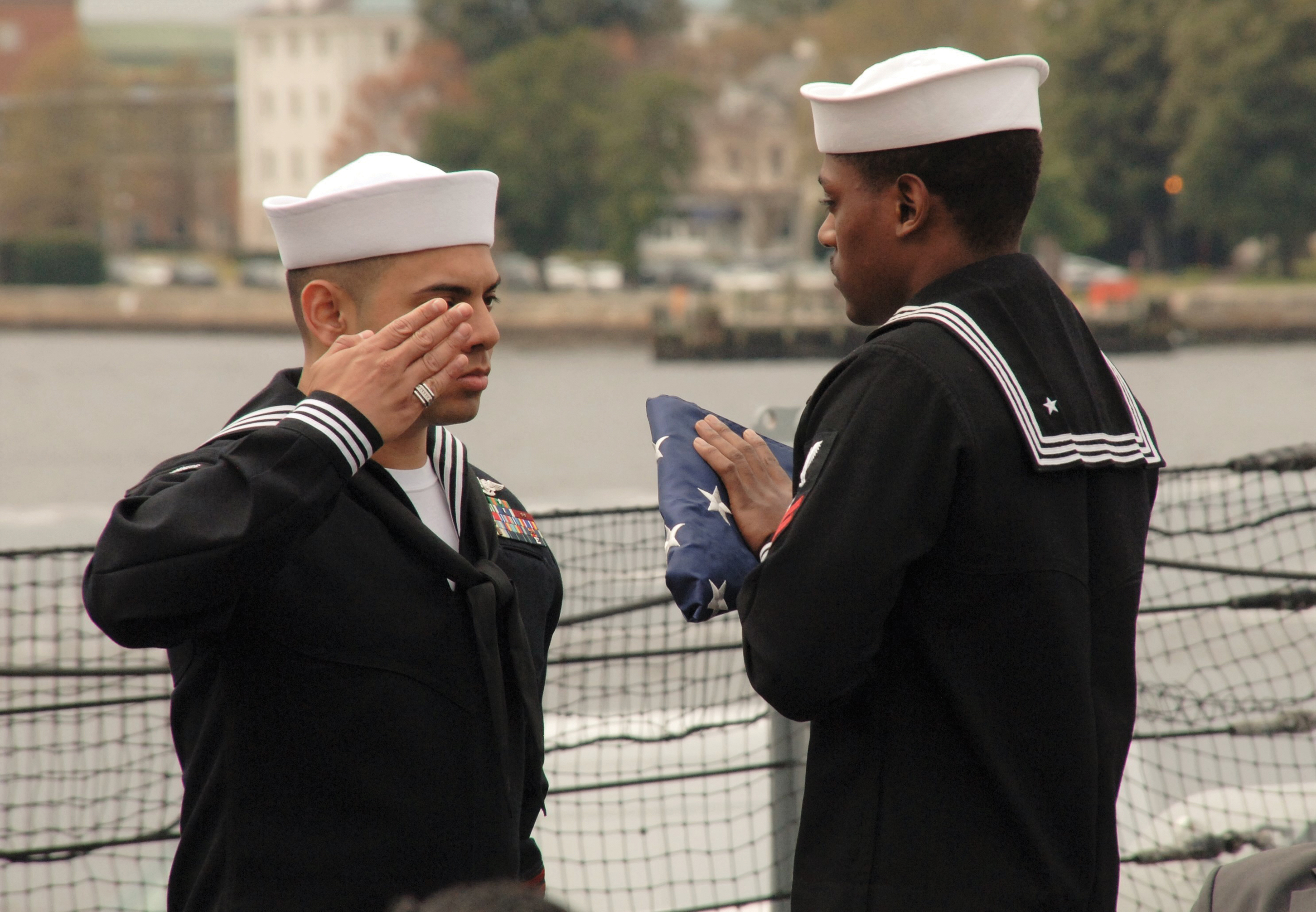
Virginia trails only California in active duty military personnel, and thousands of service members separate from active duty at Commonwealth bases each year.
Translating Military Experience Into Degrees and Jobs
The Commonwealth’s community colleges also play a critical role supporting veterans as they transition to civilian occupations. The statewide Credits2Careers portal allows veterans (and other learners with recognized credentials) to map military occupations and industry certifications to academic credit, revealing faster, cheaper pathways to degrees or stackable certificates. “It was focused specifically on veterans to see how their military occupations could allow for them to be eligible for academic credit,” said Emily Jones-Green, interim director for Transfer Virginia and Credit for Prior Learning with the Virginia Community College System (VCCS). The portal’s “Fastest Degree” feature analyzes a veteran’s Joint Services Transcript and identifies the shortest pathways to a credential that meets their goals.
The healthcare industry provides prime examples of pathways from military occupations to the civilian workforce. According to Jones-Green, heavy work is underway to formalize pathways for medics and corpsmen into paramedicine, nursing, imaging, and other high-demand roles, aligning prior learning with accreditation requirements.
The same approach is being extended to logistics and other in-demand fields. In Hampton Roads, TCC partners with shipyards, using its mobile welding lab to bring training to the field, enabling “hire-train-place” models where students learn on the same yards that will employ them. The college’s Skilled Trades Academy in Portsmouth shows how workforce providers can scale their pipelines for maritime, construction, electrical, coatings, and shipfitting.
Employers That Make It Work: Culture, Commitment, Conversion
State-level policies and programs, regional initiatives such as HRVEC, and a network of connected and supportive community colleges help prepare veterans to confidently enter the workforce. Once there, Virginia employers are prepared to further support veterans as they transition to civilian life.
Xavier Beale is the vice president of human resources at Newport News Shipbuilding (NNS), a division of HII (formerly Huntington Ingalls Industries). He also chairs the Virginia Board of Workforce Development. A former member of the Virginia Army National Guard, Beale offers a two-step “playbook” that employers across the state can emulate to hire, retain, and support veterans.
- Recognize the Value of Veterans: “Veterans bring a sense of a strong work ethic…[they are] disciplined, punctual, and mission-focused,” Beale said. They also arrive with hands-on operational experience and familiarity with shipboard systems— advantages that “add value to our operations at a much more accelerated rate” than newcomers without that background.
- Build a Celebratory Veteran Culture: According to Beale, NNS celebrates veterans and fosters a culture of inclusion, engagement, and recognition. Crucially, the company makes the military connection visible: “We have more than 4,000 [uniformed] Navy personnel in our shipyard, in and out of our gates on a daily basis…they take off one uniform and put on another: a hard hat and steel toes.” Veterans also have a lot of opportunity to advance at NNS; 25% of senior leadership are veterans.
Borden emphasized the importance of helping veterans identify with the purpose of a company. Adjusting to their first civilian job after separation can be difficult. Borden has watched veterans job-hop in the early years — not from a lack of skills, but because they miss the sense of mission. Intentionality on both sides — veterans and employers — can help ensure a successful transition. Veterans should target values-driven organizations, and employers should mentor deliberately, articulate purpose, and check in on whole-person wellness. For veterans, Borden warned, identity is often “all wrapped up in that service,” and supporting new hires as they find their new sense of self can help turn them into long-term contributors.
The Virginia Method
Virginia’s success is, ultimately, based on a network of partnerships. Policies and programs lay the groundwork for a state that values its veterans. Workforce councils represent industry and connect veterans to resources and companies early. Community colleges translate military service into academic credit and provide access to career pathways. And employers invest in culture and processes that help veterans successfully complete their transition into the civilian workforce. The result: more veterans choosing to stay, more spouses entering the labor market, and more companies building resilient teams around values-driven talent.
Beale framed the win-win succinctly: Veterans continue to serve in a new civilian uniform, equipped with the skills and values business leaders say they need most. Employers who recognize this rich talent pipeline — and do their part to provide outreach, translation, and culture — reap the benefits in terms of productivity, safety, innovation, and retention. Hiring veterans isn’t charity, it’s competitive strategy.